Participants expressed optimism about bio-based building blocks, biosynthetic textile fibres, microalgae, C1 chemistry, AI-driven fermentation and continuous bioprocesses. But there was at least as much focus on the stubborn realities on the practical side: commercial-scale plants are expensive, customers are still not providing sufficient purchase guarantees, standards for claims and CO₂ accounting are lacking, value chains are fragmented, and fossil-based alternatives remain (too) cheap because their environmental costs are not factored into the price.
In the opening session, EuropaBio clearly outlined the global challenge: biomanufacturing is no longer a niche sector, but a strategic industry in which regions are seeking to develop new products, transform value chains and secure their international positions. EuropaBio’s Director General Claire Skentelbery made a strong call for regulations, market access, investment certainty and cooperation in Europe to mature more quickly. The challenge is to translate Europe’s strong knowledge base into global competitiveness.
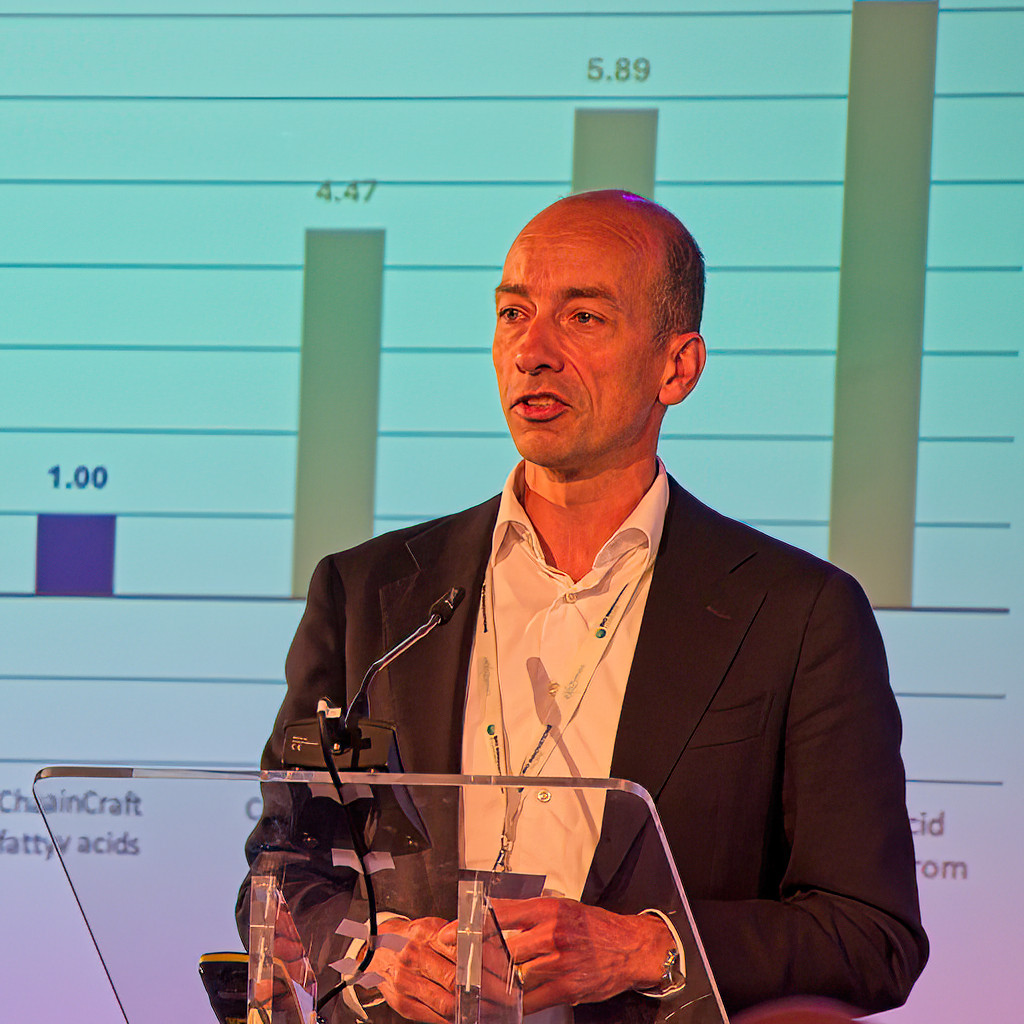
The key question is how policy, industry, capital and customers can reinforce one another in such a way that bio-based alternatives do not remain confined to pilot plants. This tension was clearly evident in ChainCraft’s morning presentation. CEO Mark den Hartog outlined this Dutch company’s process for converting agri-food waste streams into bio-based medium-chain fatty acids. The feedstock: potato juice from the potato starch industry.
ChainCraft has been operating at a demonstration scale of around 2 kilotonnes per year for several years and is now preparing a full-scale facility of 20 kilotonnes. The presentation highlighted, above all, how much is required to move from demonstration to full scale. Upscaling requires not only improved fermentation, but also process discipline, safety, a reliable feedstock, customers willing to purchase large volumes, and investors who understand the risks. This highlighted an important lesson from the day: bio-based factories rarely emerge in isolation. They need industrial ecosystems.
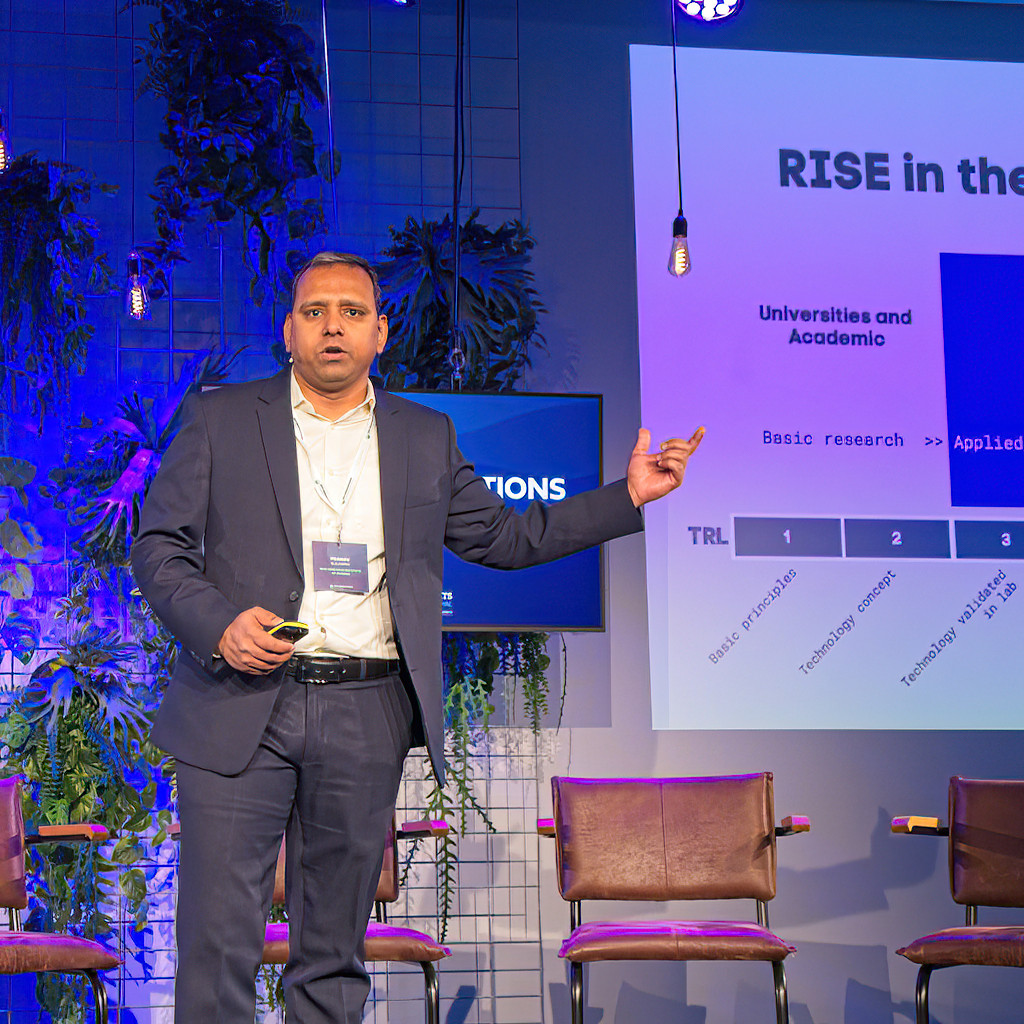
Pranav Kulkarni, Technology Advisor of RISE also emphasised the gap between research and commercial production. The Swedish research institute positions itself as an independent scale-up partner: not an investor, not an IP owner, but a partner that helps companies mitigate risks. With infrastructure for up to around 10,000 litres, high-throughput screening, strain development, downstream equipment, LCA, techno-economic assessment and business model support, RISE aims to prevent companies from repeatedly making the same scale-up mistakes. The message was clear: bring in industrial expertise at an early stage, before costly design choices are finalised.
Bridging the gap
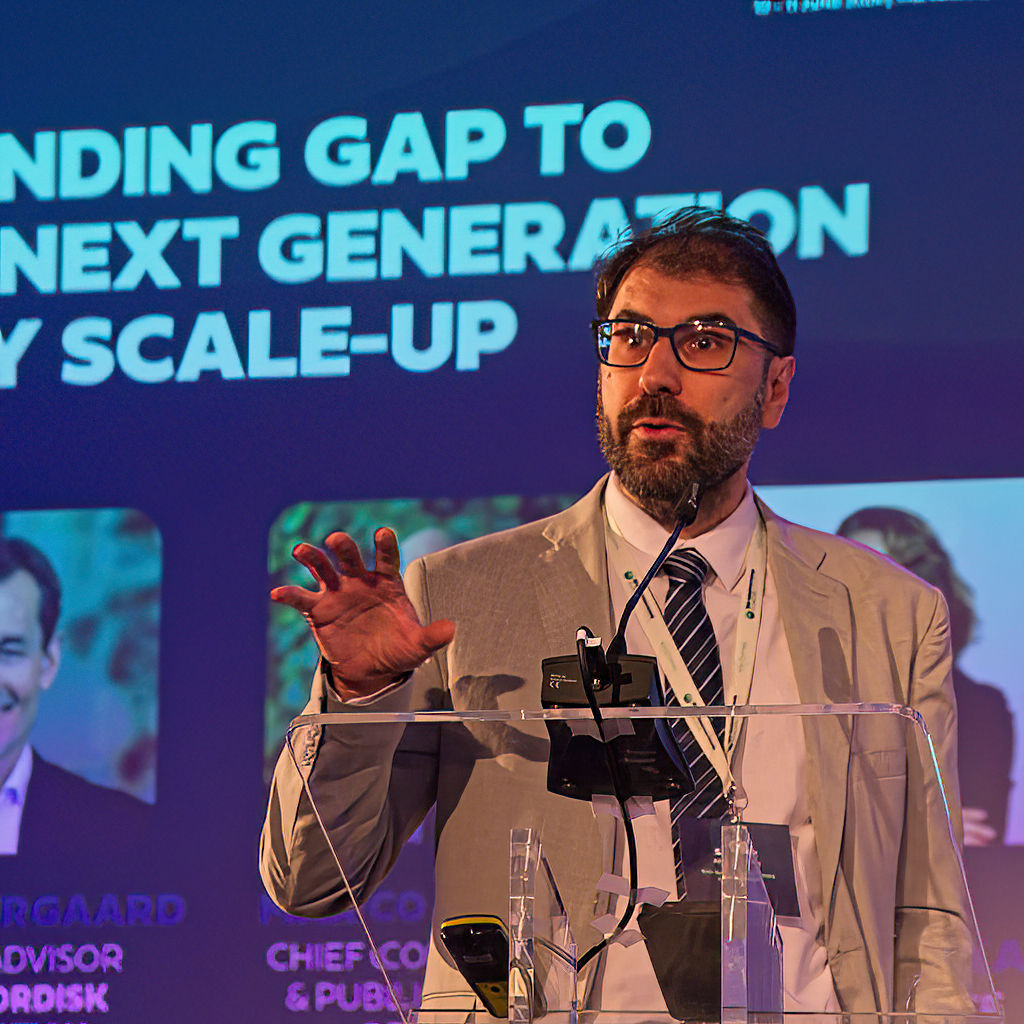
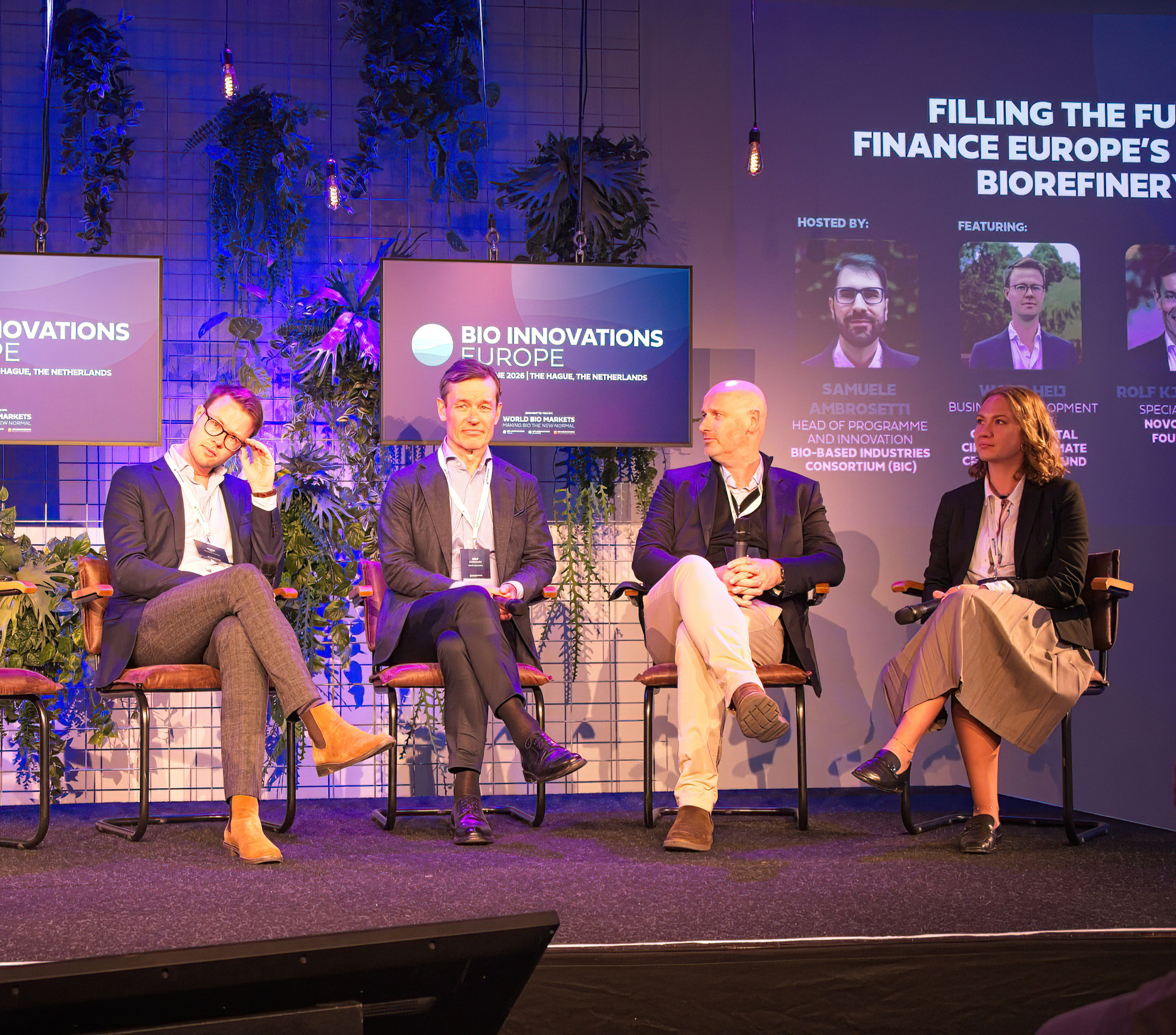
But even a successfully scaled-up process does not in itself result in a factory. This became apparent during the panel discussion on the funding gap for Europe’s next generation of biorefineries. Samuele Ambrosetti of the Bio-based Industries Consortium outlined the broader context: European grants, such as the calls from the Circular Bio-based Europe Joint Undertaking, help drive technologies towards higher TRLs, but are insufficient for commercial plants. This requires hundreds of millions, even before any substantial turnover is generated.
Marco Jansen, Chief Commercial & Public Affairs Officer at the Dutch green chemistry company Avantium, put this into perspective. He argued that the journey from idea to first-of-a-kind plant takes 20 years rather than 5. In the early stages, grants and smaller investments are still available, but as the sums involved grow, the funding options become scarcer. Avantium went public in 2017 and combined grants, equity, fundraising and support from the Dutch government to make the first commercial plant for its bio-based polymer route a reality. At the same time, Jansen highlighted a structural problem: deep-tech companies remain pre-revenue for a long time and, particularly during the most costly phase, can be regarded as an ‘undertaking in difficulty’, which puts pressure on their access to public support. This is ill-suited to innovations that can take up to 25 years to achieve a genuine breakthrough.
Ward Heij, Business Development Manager at Colesco Capital (Netherlands), emphasised that private investors can come on board earlier than traditional banks, but only if the business case is credible. Only where there is binding legislation governing off-take, such as in the biofuels sector, will buyers and investors accept a premium price for bio-based products. It is also crucial that risks (construction risk, operational risk, maintenance, off-take, price and contract duration) are distributed in such a way that projects become financeable. Special Adviser Rolf Kjærgaard, Special Adviser at the Danish Novo Nordisk Foundation, emphasised that the funding gap is not a single void, but a series of chasms between science, pilot, demo and market. Europe invests heavily in research, but, in his view, needs the same level of commitment in the commercial phase.
Greta Zajančauskaitė of Invest Lithuania pointed out that the problem is not simply whether capital is available, but how scale-ups can gain access to it. In her view, governments, development banks and private investors need to form coalitions more quickly and better align their criteria. Meanwhile, countries must do their homework: infrastructure, raw material supply chains, locations and cost structures must be as well prepared as possible, so that scale-ups can focus on their technology and their business case.
Strategic autonomy
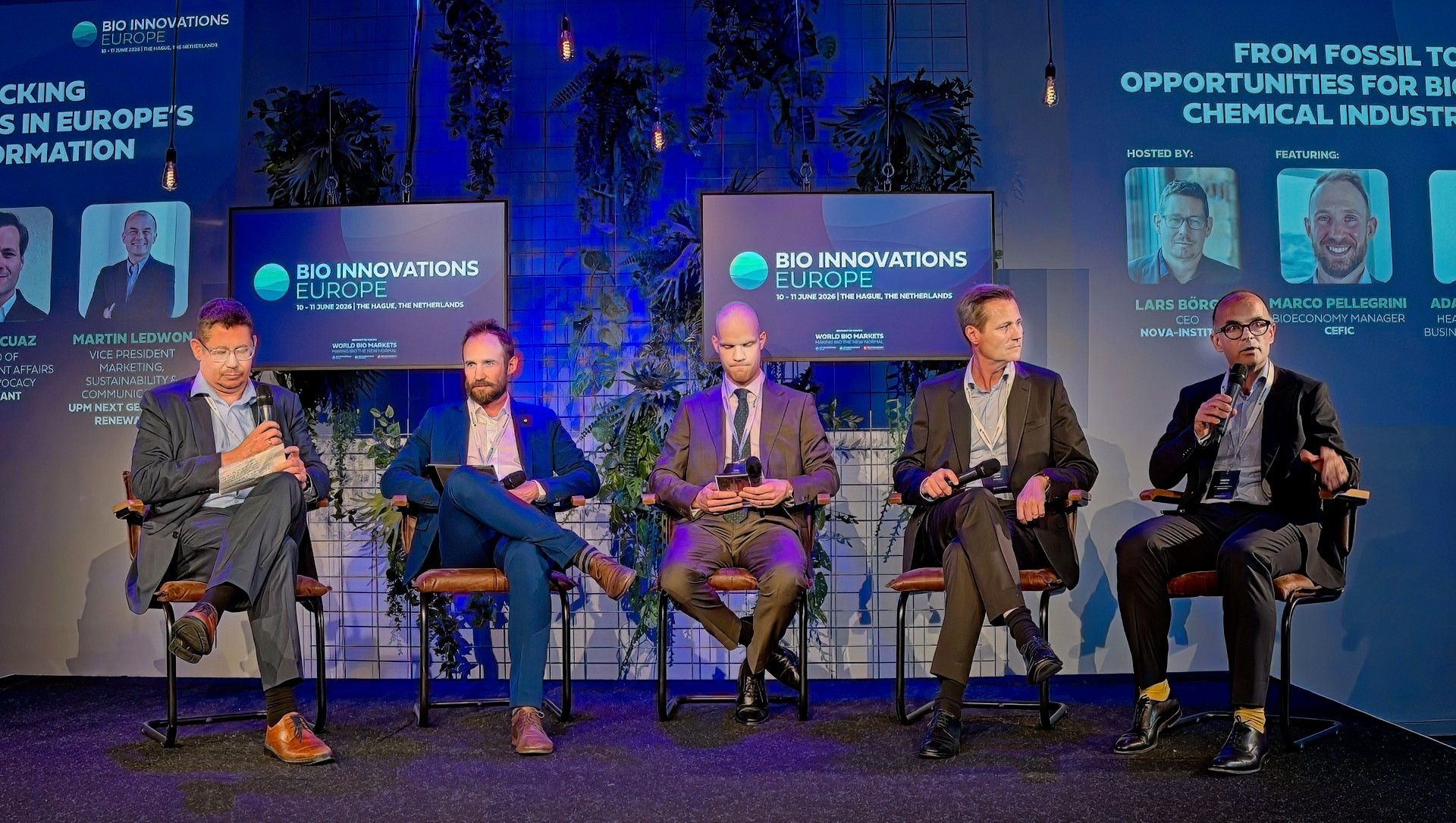
The focus shifted to the chemical industry during the panel discussion “From fossil to bio.” Moderator Lars Börger, CEO of the German nova-Institut, made it clear that bio-based chemicals are no longer seen merely as a sustainability option, but also as an indispensable part of strategic autonomy. Martin Ledwon, Vice President of Marketing, Sustainability & Communications at UPM Next Generation Renewables, highlighted the major investment in Leuna, Germany, where a biorefinery based partly on beechwood has been set up. The investment rose from around €550 million to approximately €1.3 billion, illustrating just how capital-intensive first-of-a-kind projects are. Nevertheless, UPM defended the importance of first movers: those who establish a position early on can help shape future value chains.
Marco Pellegrini, Bioeconomy Manager at the European trade association CEFIC, noted policy momentum surrounding the European bioeconomy strategy, a regulator-innovator forum, a biobased industry alliance and the concept of lead markets. At the same time, a note of caution sounded: many initiatives are voluntary, whilst large commodity markets are difficult to mobilise without a robust market mechanism. A recurring point was the difference between performance markets, where bio-based materials can justify a price premium, and volume markets, where price dominance remains the decisive factor and the petrochemical industry still leads the way. Adam Lindholm, Head of Sales and Business Development at the Swedish company Sekab, summed it up pragmatically: bio-based chemicals are already being sold, but customers do not buy them automatically.
Erich Cuaz, Head of Government Affairs and Advocacy at the Swiss cosmetics company Clariant, emphasised that bio-based solutions must be formally recognised for their contribution to climate policy, biogenic carbon sequestration, circularity and European resilience. In his view, scale-up requires a stronger and more coherent policy framework that creates market demand, unlocks investment and enables commercial facilities that convert residual streams into high-value biochemicals.
Fashion for Good
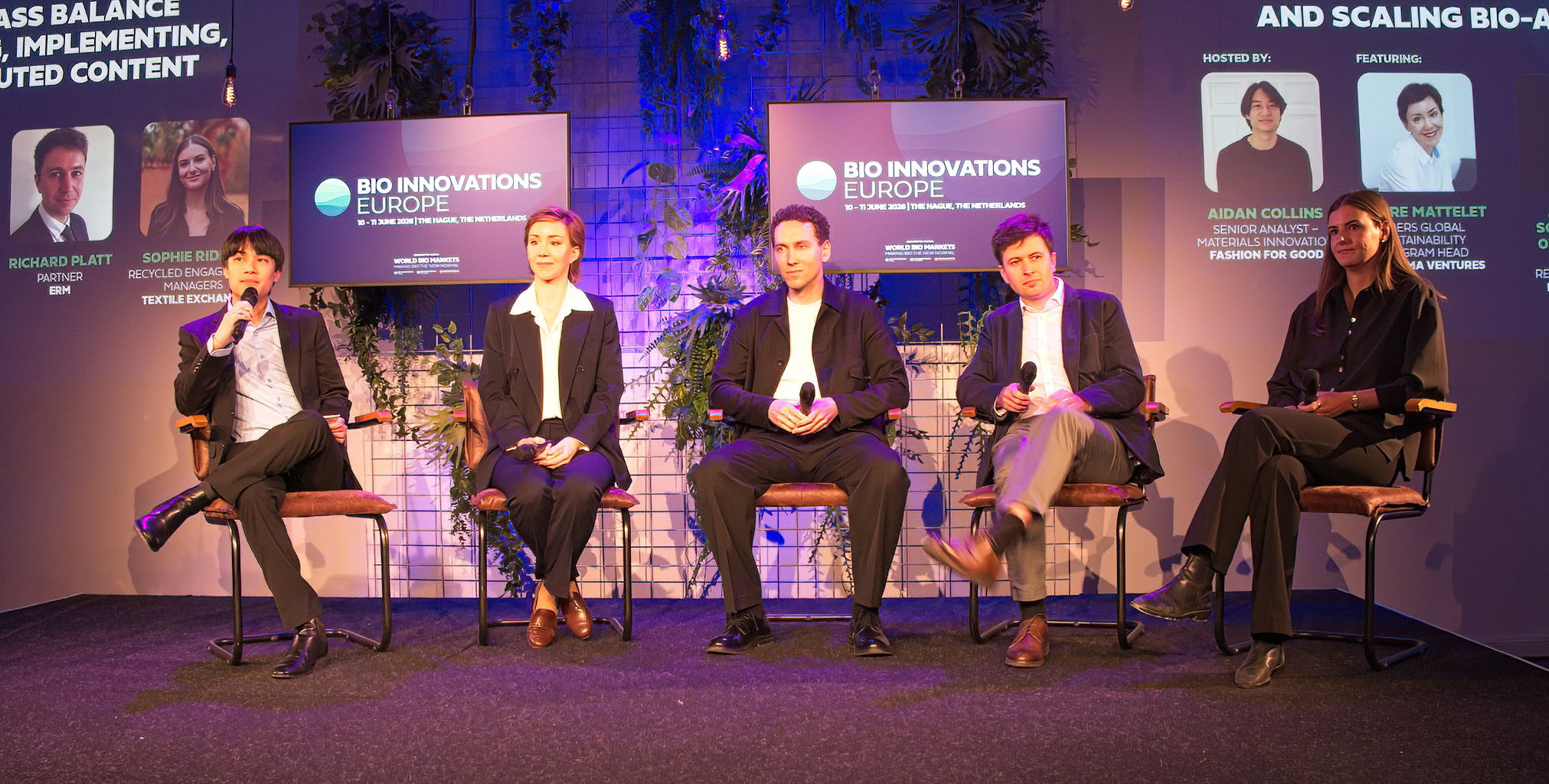
The subsequent Fashion for Good panel discussion focused on the mass balance approach to biopolymers, chaired by Aidan Collins, Senior Analyst for Materials Innovation. The fashion industry aims to reduce its reliance on fossil-based polymers, but faces challenges relating to capacity, costs and carbon accounting. Claire Mattelet, Head of the Fibres Global Sustainability Programme at Thailand-based Indorama Ventures, highlighted just how small the current volumes still are for this producer of semi-finished products: approximately 30,000 tonnes of bio-PET with 30% bio-content out of a total annual production of around 15 million tonnes. The technology and spinning assets are available, but the value chain is fragmented. Textile brands request trials of 1 to 10 tonnes, whilst industrial spinning assets produce around 1,000 tonnes per day. This makes the physically separate production of bio-PET practically difficult.
Anders Schorling Overgård, Materials Research Lead at the Danish fashion brand BESTSELLER, sees bio-PET as a potential route alongside textile-to-textile recycling, but highlighted internal complexities. A group comprising more than twenty brands needs to pool demand, harmonise specifications and gain a better understanding of upstream suppliers.
Richard Platt, Partner at ERM Consulting in the UK, highlighted carbon accounting: uncertainty regarding mass balance, book-and-claim, allocation methods and future emissions regulations is holding back investment. The US-based NGO Textile Exchange is working on standards, but acknowledges that existing systems are still primarily geared towards batch segregation, according to Sophie Ridler, the organisation’s Recycled Engagement Manager. The conclusion was not that mass balance solves all problems, but rather that it can serve as a practical interim step to make use of existing infrastructure.
New ideas
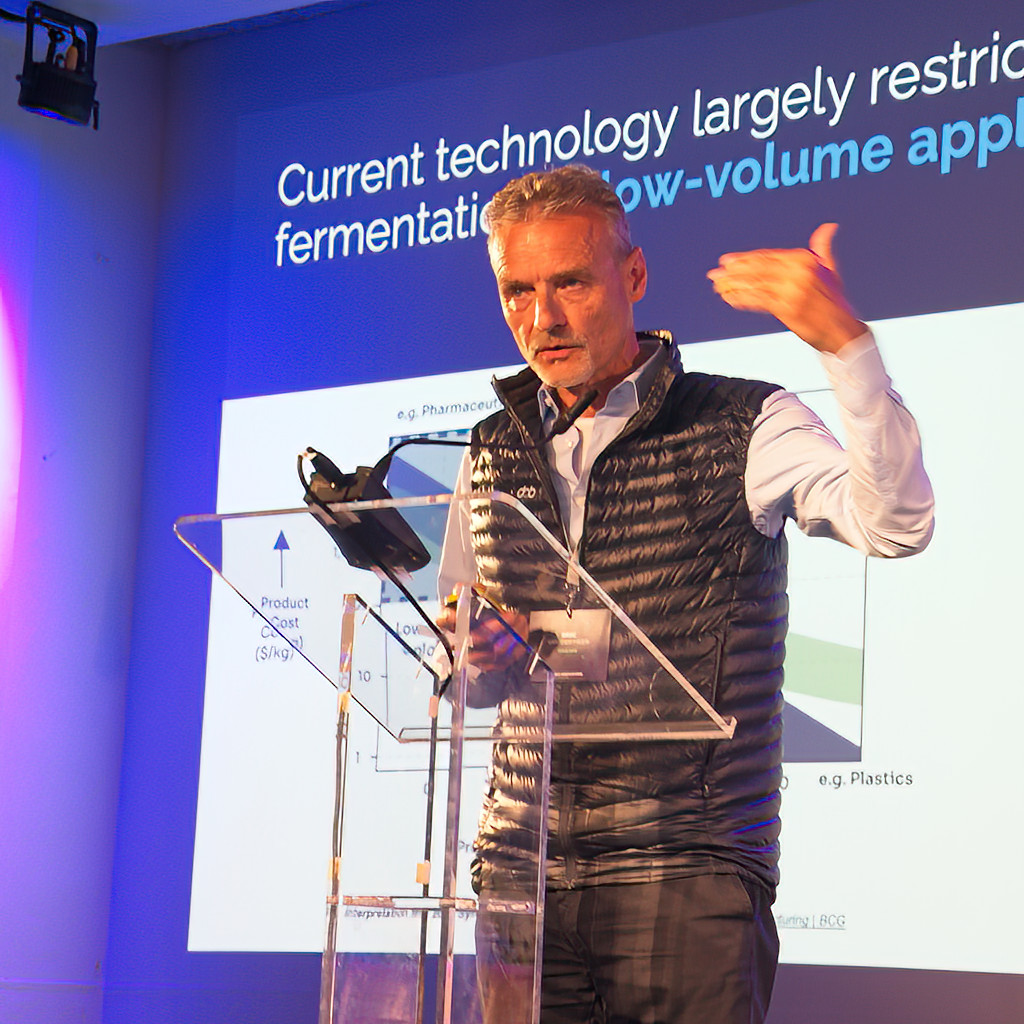
During Bio Innovation, a number of entrepreneurs presented how they are working to scale up their ideas. For example, DAB.bio from the Netherlands is working on innovating the fermentation process. CEO Eric van der Meer stated that biomanufacturing has spent too long fixating on (bacterial) strains, feedstocks and scale, whilst the fermentation process has hardly changed since the 1970s. DAB.bio’s technology transforms fermentation into a continuous process, in which the product and water are drained off, whilst the cells largely remain within the system. This results in a 10 to 50 per cent reduction in production costs.
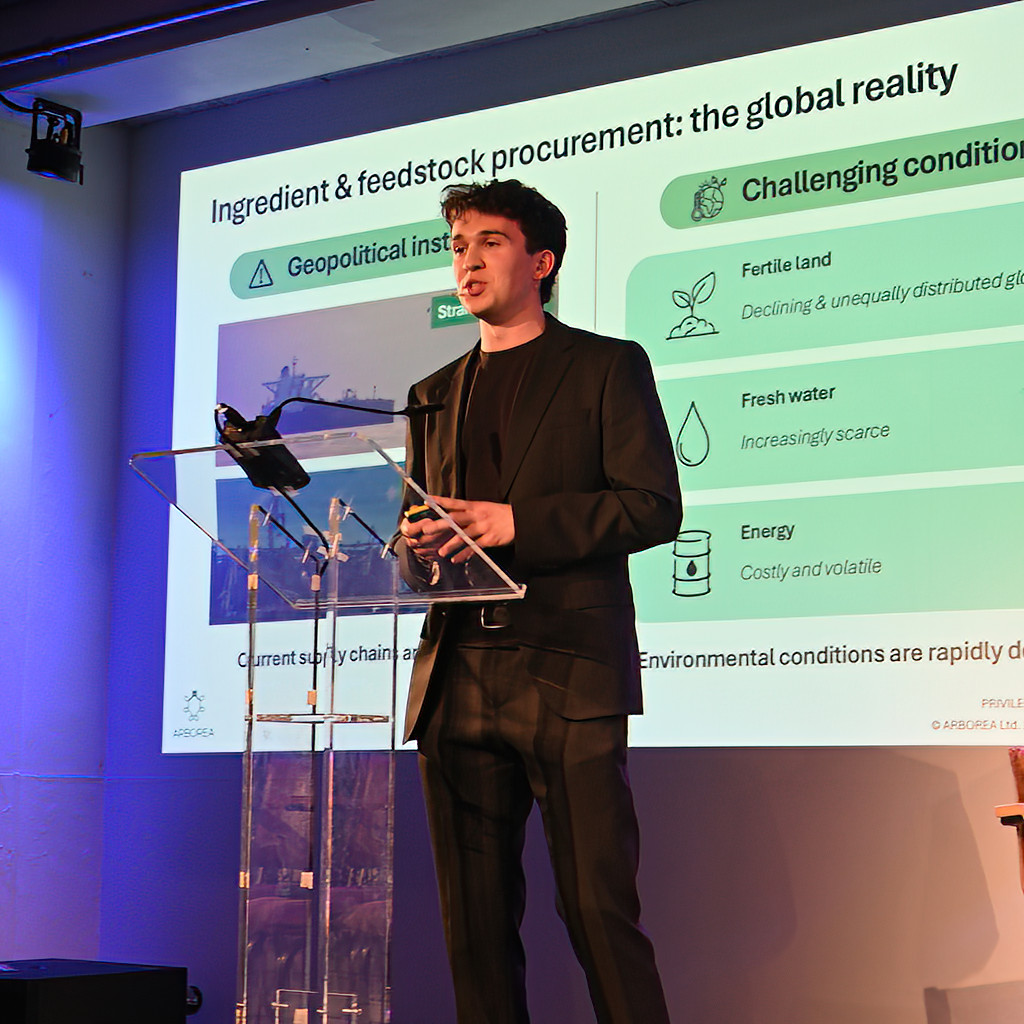
Arborea from Portugal demonstrated that photosynthesis can also be approached on an industrial scale. Business Development Executive Felix Bilodeau-Boisvert showed how Biosolar Leaf technology uses closed, horizontal ‘breathing’ tubes in which microalgae grow using sunlight and low-concentration CO₂, without land use. The focus is, amongst other things, on spirulina and derived ingredients such as neutral-tasting protein and natural colourings. This narrative formed part of a broader trend: CO₂, waste streams and sunlight are seen not only as sustainability arguments, but as the basis for new European feedstock security.
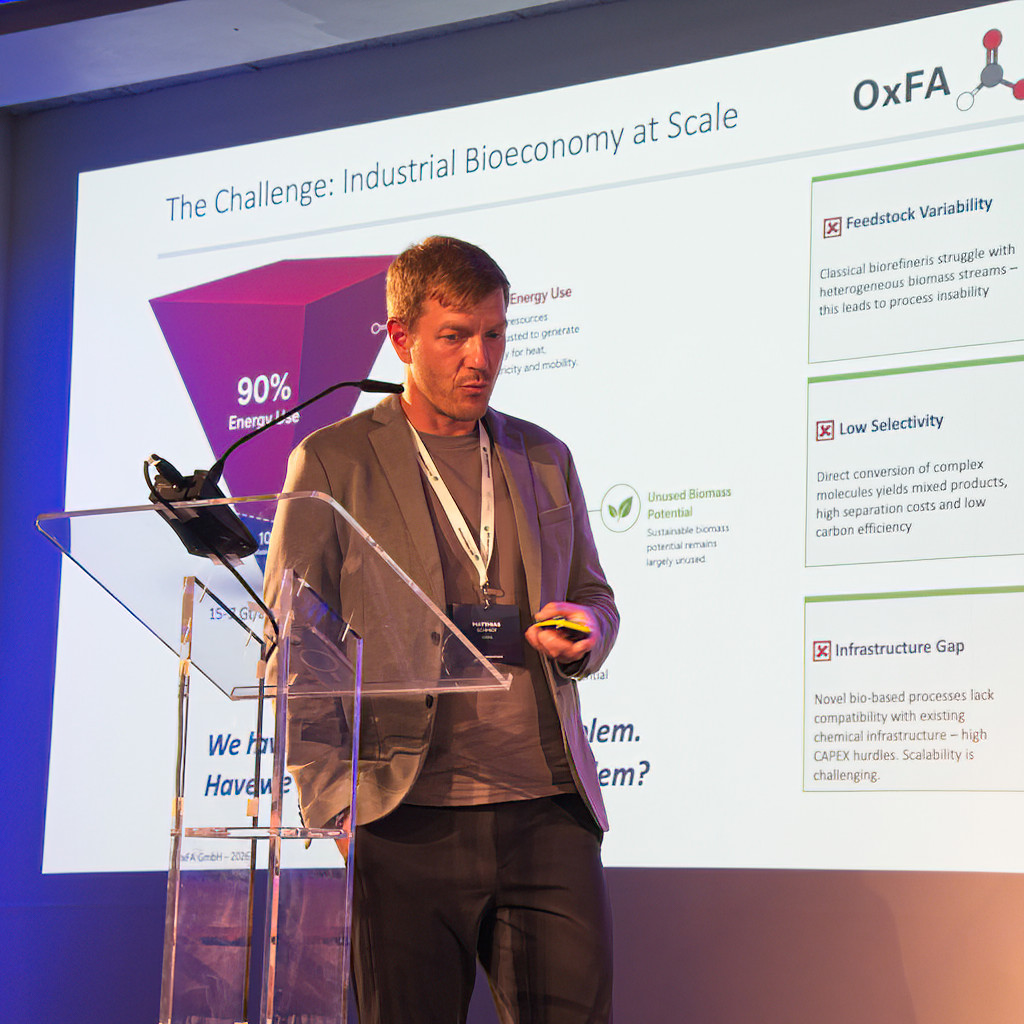
OxFA followed this up with a completely different approach: first breaking down biomass into a single C1 molecule, formic acid, and then rebuilding it into methanol and other building blocks. Managing Director Matthias Schmidt argued that the bottleneck is not so much feedstock availability, but rather the chemistry capable of efficiently converting variable biomass. In this approach, formic acid acts as a stable, transportable platform molecule that connects to existing chemical infrastructure. The comparison with syngas in fossil-based chemistry highlighted just how radical, yet familiar this approach is.
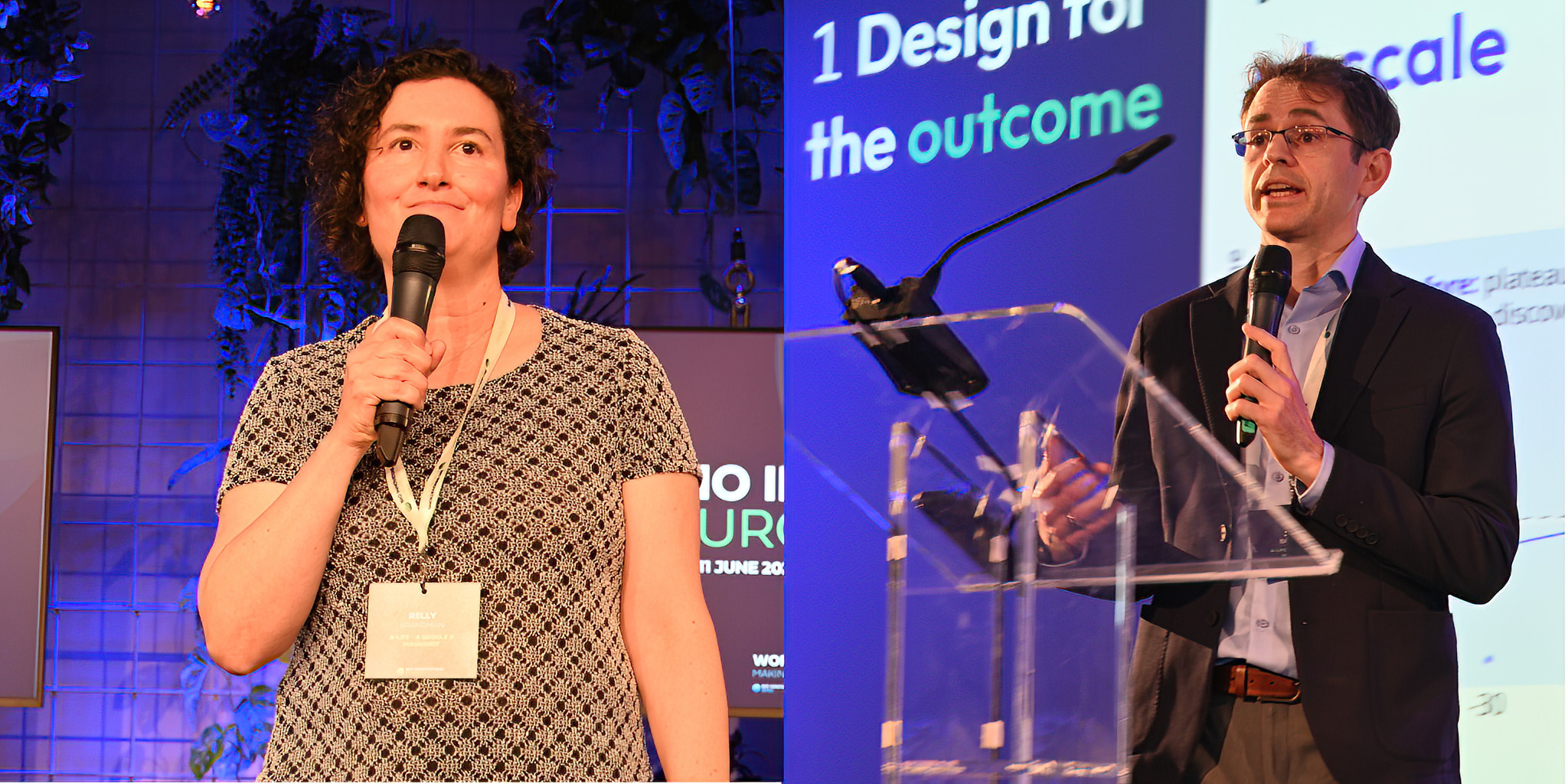
Technology once again took centre stage in discussions on AI and digital twins, with a focus on predictability. Relly Brandman and John Bachman from A-Life, a Google X Moonshot project from the US, argued that AI only adds value if the commercial problem to be solved is first clearly defined. In various cases, integrated modelling of strain and process led to better yields, higher productivity and lower costs.
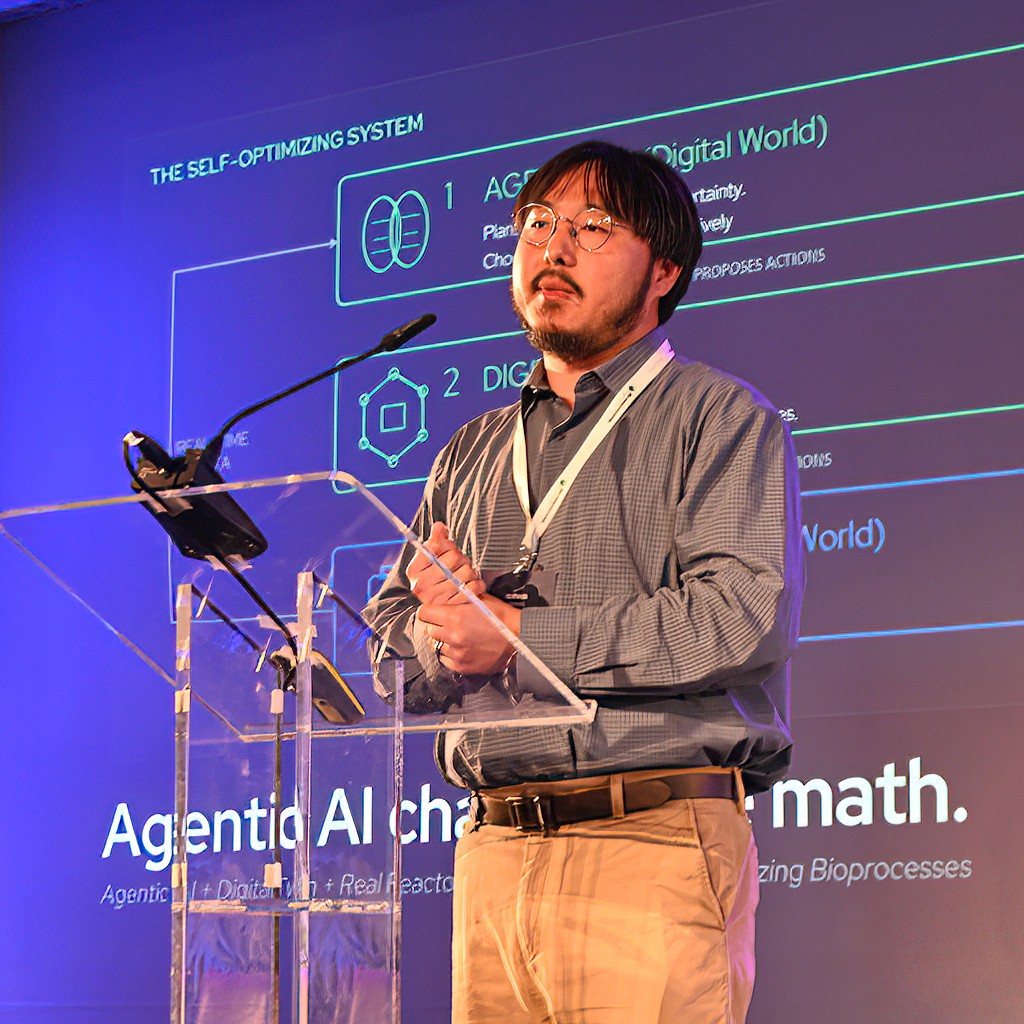
Pow.Bio followed on from this with the concept of self-driving bioreactors. Biomanufacturing is still remarkably artisanal, noted Ouwei Wang, CTO and co-founder of this US-based company. Operators often control expensive bioreactors using spreadsheets, trend data and experience. AI can monitor many more variables simultaneously, but should not be allowed to control heavy equipment without further consideration. A digital twin can act as the bridge between the model and the physical reactor. A case study involving lactoferrin demonstrated how such a digital layer can help to ensure sound decisions are made even when mechanical problems arise during a long run.
Patient capital
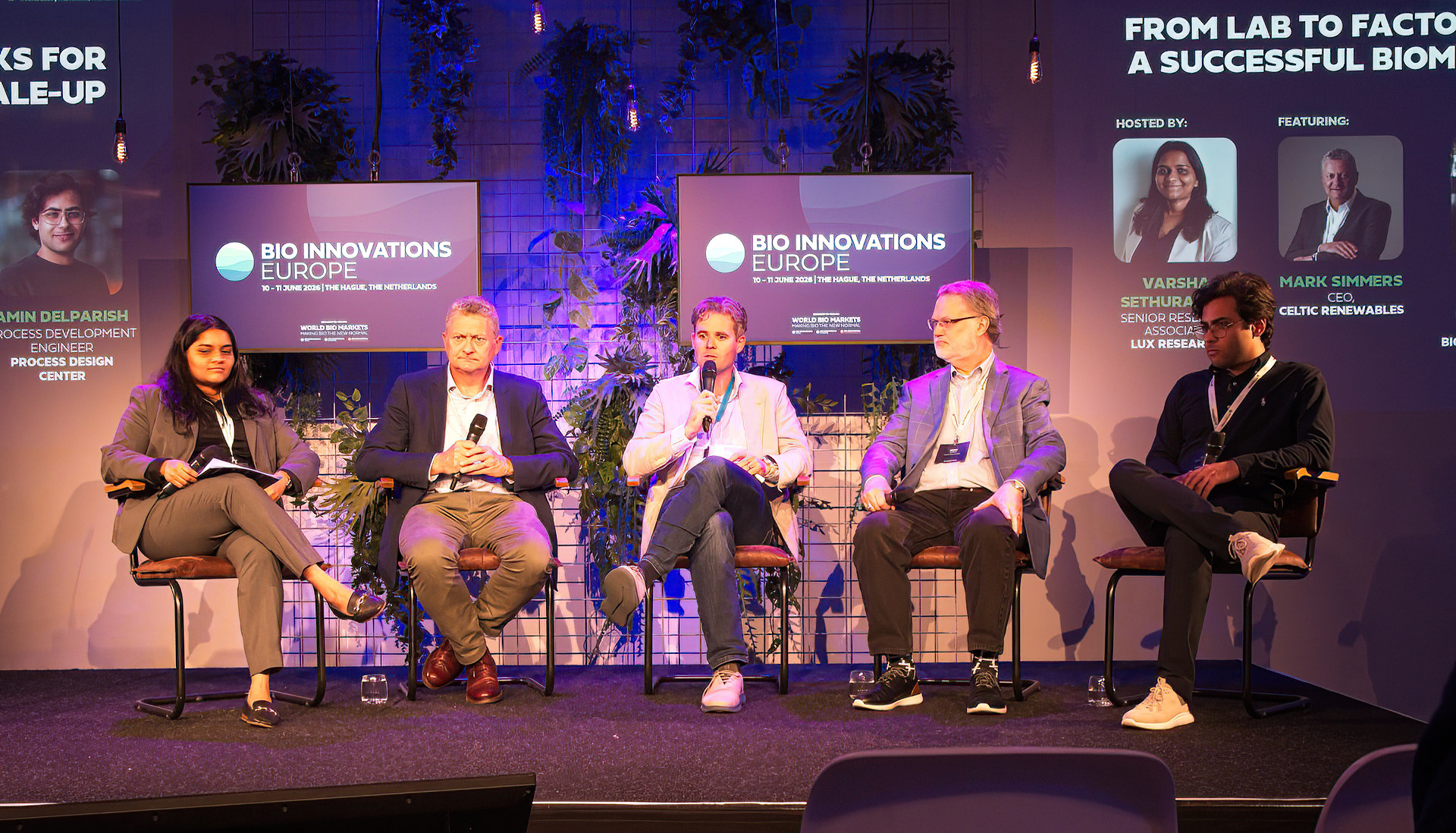
What is really needed to take biomanufacturing from the pilot stage to the factory floor? The ‘From Lab to Factory’ panel, chaired by Varsha Sethuraman, Senior Research Associate at Lux Research, turned the discussion towards raising capital. Mark Simmers, CEO of Celtic Renewables, called it “the singular hardest thing” he had ever done. Celtic Renewables built a first-of-its-kind commercial biorefinery in Grangemouth (Scotland), which converts waste streams from the whisky industry and agriculture into acetone, butanol and ethanol through fermentation. This took more time and cost more money than anticipated. According to Simmers, the decisive factor was securing ‘patient’ capital from investors who were prepared to embark on the long journey, recognised the market potential and had confidence in the team.
Geoff Nobes, Director of Business Development at RWDC Industries in the US, emphasised the importance of a demonstration plant capable of convincing investors. RWDC built a demonstration plant for the production of PHA biopolymers in Georgia, in which approximately 70 per cent of the equipment is identical to that in a full-scale factory. Only the fermenters are smaller; downstream, purification and extrusion equipment are as identical as possible. This enables the company to demonstrate that the process operates reliably, reproducibly and with consistent quality.
Amin Delparish, Process Development Engineer at the Dutch Process Design Center, warned that the entire process must be viewed from an industrial perspective right from an early stage: not only the core technology, but also product specifications, downstream processing, utilities, energy prices, wastewater treatment and integration with existing infrastructure. It is precisely factors outside the immediate process boundaries that can undermine a business case. He therefore advocated an iterative approach: from lab to pilot and demo, but also back again, in order to fill knowledge gaps in good time.
Nevertheless, the transition phase from demonstration to production remains problematic, according to Hendrik Waegeman, Head of Business Operations at Bio Base Europe Pilot Plant in Ghent, Belgium. This facility helps companies move from the laboratory to pilot, demonstration and initial commercial production, but keeps encountering the same catch-22. Scaling up is necessary to reduce costs, but large-scale investments require off-take agreements. And customers, in turn, first want proof that a company can reliably produce at scale. Without a track record, there are no customers; without customers, there is no factory. Funding programmes such as those of CBE JU, in which the European Commission and BIC participate, can support part of the ‘first-of-a-kind’ phase, but they do not resolve the fundamental funding problem. Slow regulatory processes and licensing procedures are also a major bottleneck in Europe: if authorisation for novel foods takes four to six years and for biopesticides as long as twelve years, investment becomes unpredictable.
In short, the step from lab to factory is not a straight line, but a process of learning, adjusting and mitigating risks. Biomanufacturing becomes attractive to investors when technology, process design, feedstock, downstream processing, personnel, regulation and market development all mature simultaneously.
Younger generations take the stage
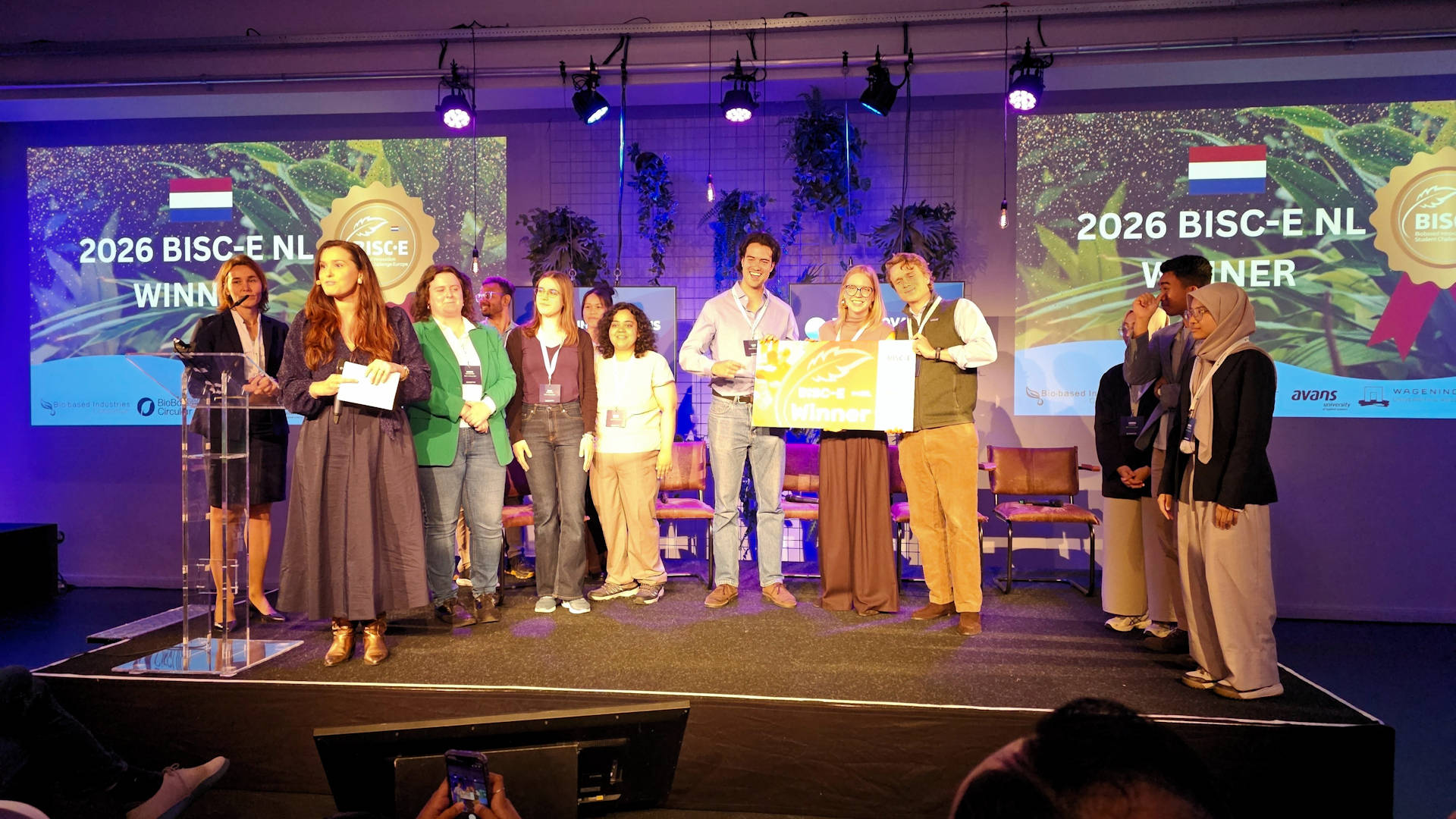
At the end of the afternoon, the next generation of entrepreneurs took centre stage at the Dutch final of the Bio-based Innovation Student Challenge Europe. BISC-E aims to engage students in the transition to a bio-based economy and to encourage entrepreneurship centred on new bio-based products and processes. National qualifying rounds take place in various European countries, and the European final is held in the autumn.
The three pitches from Dutch student teams demonstrated just how broad the bio-based economy has become. Team Caring Current focused on Sargassum seaweed in the Caribbean. What is currently often seen as a nuisance and waste — seaweed washing ashore that smells, puts pressure on ecosystems and can hinder local economies — was presented in their pitch as a raw material for high-value applications. The team looked, amongst other things, at fucoidan, a valuable bioactive compound, and at a broader biorefinery approach in which as many components of the seaweed biomass as possible are utilised.
The other two finalists were active in the textile sector, where pressure is mounting to replace persistent ‘forever chemicals’ in water-repellent coatings and membranes. Team Repello presented a coating based on chitosan, extracted from shellfish waste. In doing so, the team linked two issues: the valorisation of a marine waste stream and the need for PFAS-free functionality in textiles. Chitosan was positioned as a natural material that can combine film-forming and water-repellent properties with biodegradability.
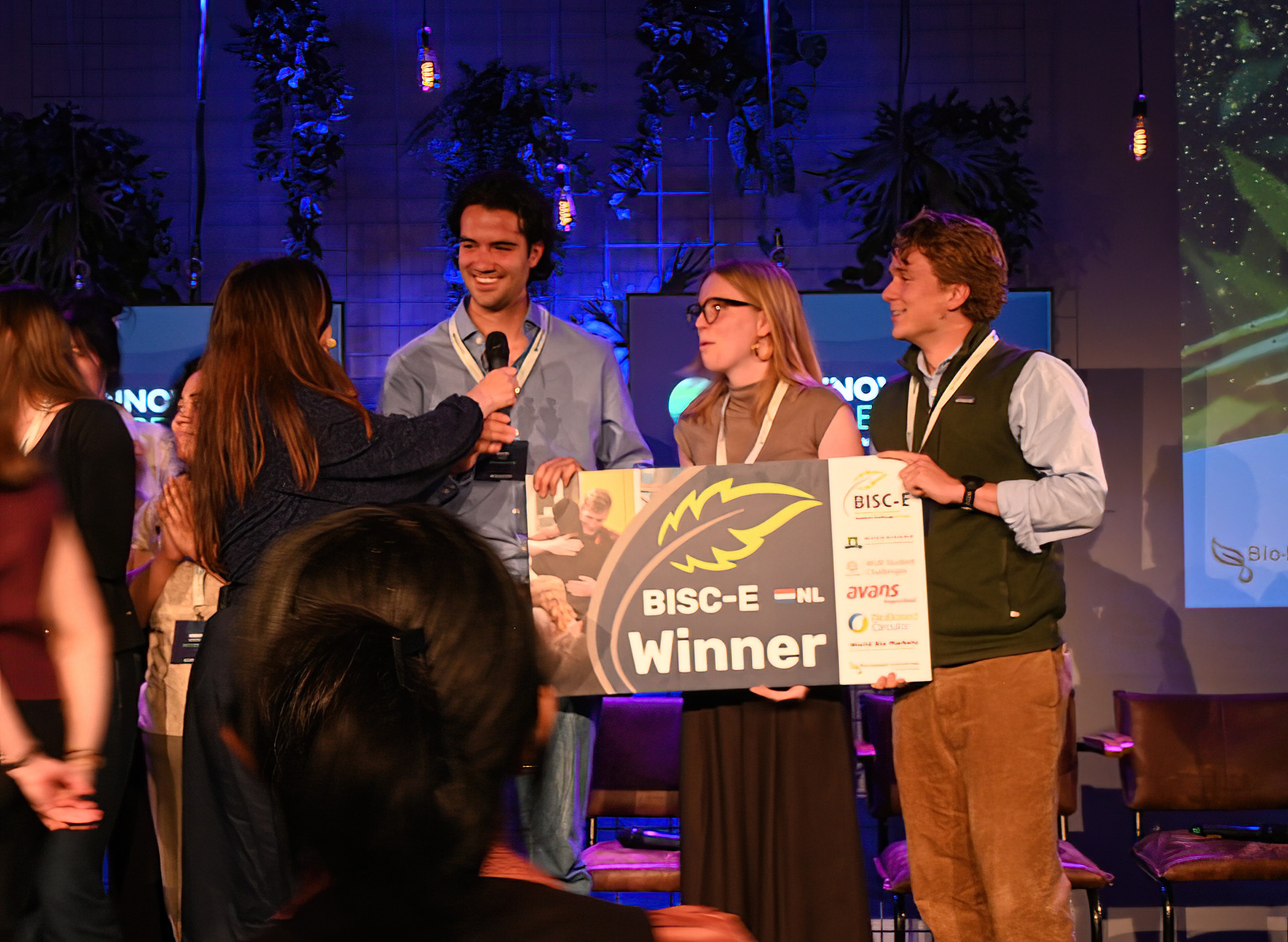
First prize ultimately went to Team CircuTech, with Team Caring Current as runner-up. CircuTech developed a fully bio-based and biodegradable alternative to Gore-Tex-style outdoor fabrics. Instead of a synthetic membrane and PFAS coating, it uses a combination of bacterial polyester (PHBV), natural fibres such as hemp, and plant-based carnauba wax nanoparticles as a water-repellent layer. This not only avoids the use of PFAS, but also results in a material that can degrade in soil and marine environments. Students Benjamin de Beaufort, Maartje Post van der Burg and Jules Tack from Wageningen University & Research won first prize of €1,000 for this project and will represent the Netherlands at the European final.
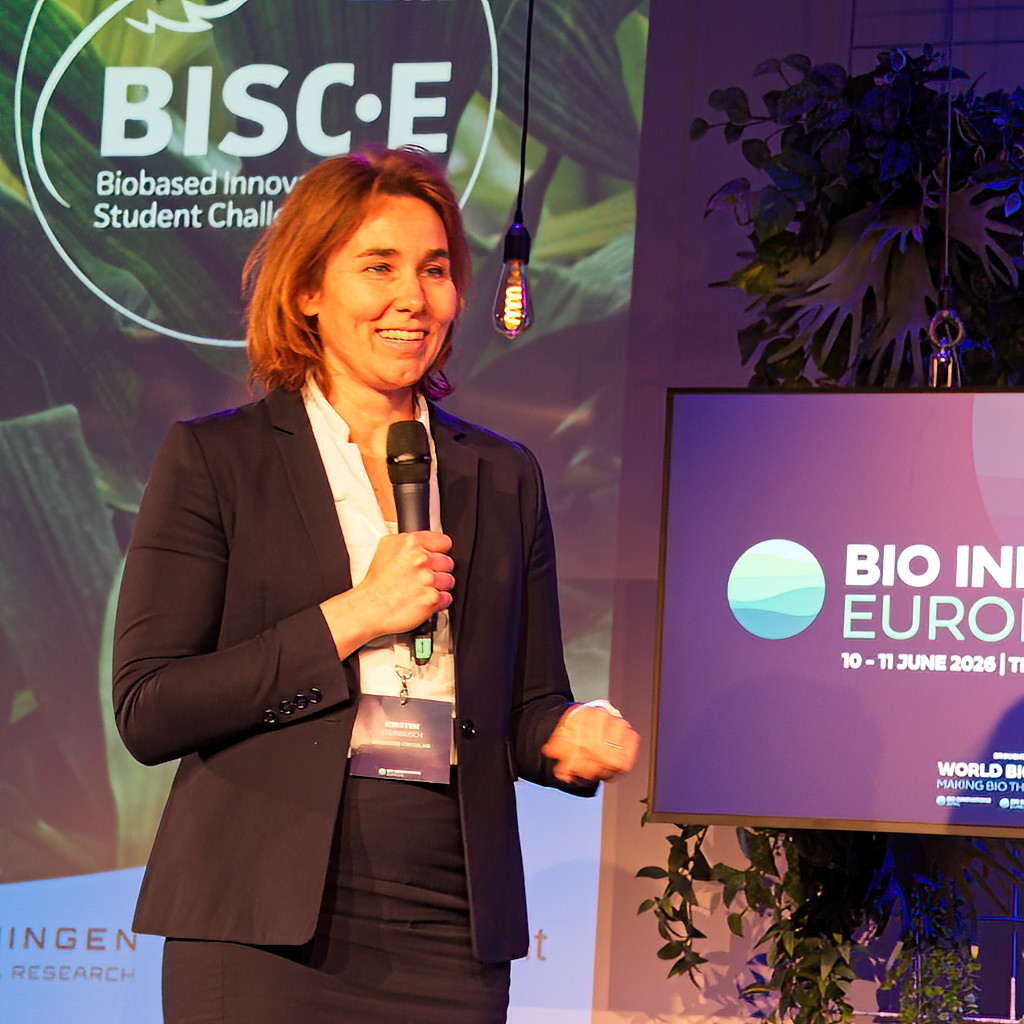
According to the jury, chaired by the Dutch serial entrepreneur Kirsten Herben-Steinbusch, the strength of the winning concept lay in the combination of a recognisable market problem and a clear material development pathway.The competition demonstrated that the bio-economy depends not only on major investments and industrial players, but also on new generations who dare to redesign existing products using renewable raw materials, circularity and biodegradability. Both are essential for the future of a thriving European bio-economy.
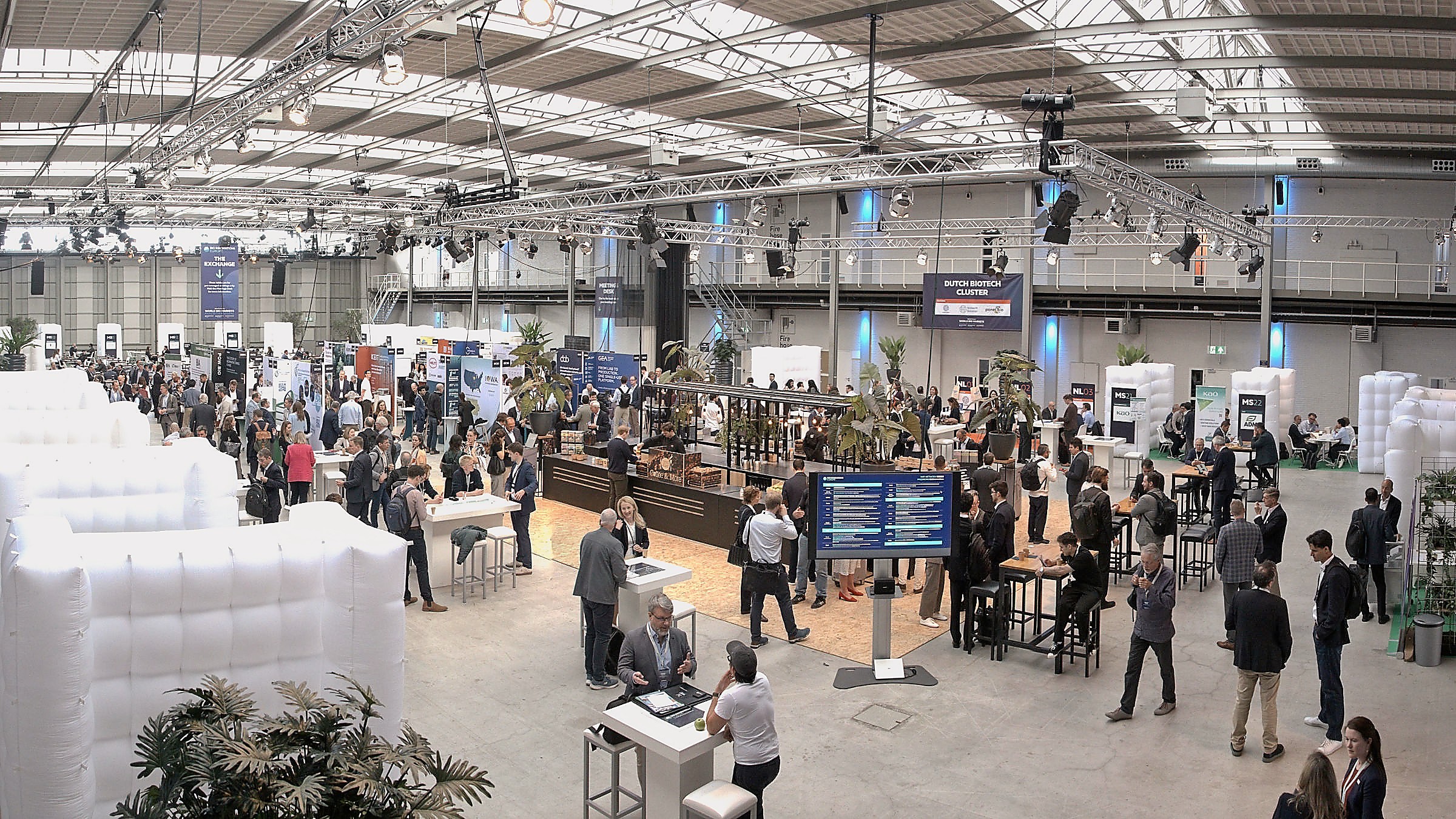
Image above: Samuele Ambrosetti (BIC) led the first panel session during Bio Innovations in The Hague.
 Bio Innovations Europe, the successor to the well-known